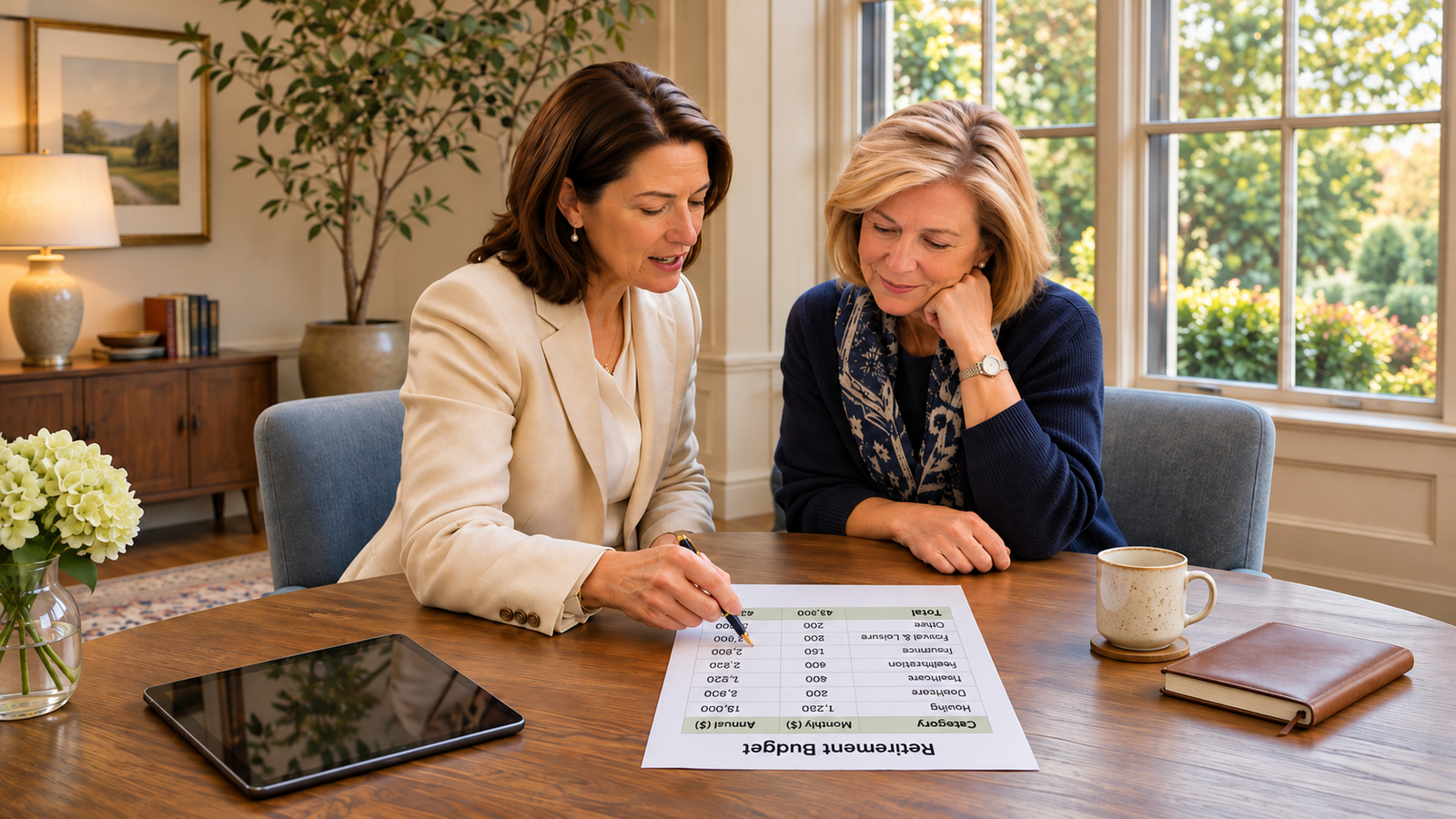

Retirement is often planned around an estimate of how much income will be needed each year. Financial projections typically consider expected expenditure, future inflation and the savings and investments available to support that spending over time.
However, retirement rarely involves spending the same amount of money on the same things year after year. The lifestyle someone enjoys immediately after leaving work may look quite different from the one they lead ten or twenty years later. Travel, leisure activities, housing requirements and family commitments can all change, sometimes considerably.
Some expenses may reduce over time, while others increase or arise only occasionally. Rather than assuming retirement expenditure will follow a predictable pattern, a more useful approach is to understand what drives spending, which commitments can be adjusted and how financial priorities may change over the years.
Understanding the Different Types of Retirement Spending
Not all retirement expenditure behaves in the same way, and recognising these differences can make financial planning considerably more useful.
Essential expenditure generally includes the regular costs associated with maintaining a household and an acceptable standard of living. Housing, utilities, food, insurance and other ongoing commitments may be relatively predictable, although the amounts involved can change over time.
Discretionary spending is different. Travel, leisure activities, hobbies and other lifestyle choices may represent a substantial part of retirement expenditure, particularly for those who have spent many years looking forward to having more freedom over how they use their time.
These expenses are often more flexible. Someone may choose to travel extensively during one year and spend considerably less the following year, without either decision representing a permanent change in their financial circumstances.
There are also larger expenses that occur less frequently. Replacing a vehicle, renovating a property, helping family members or making a significant purchase can create periods of unusually high expenditure, even when regular living costs remain relatively stable.
These distinctions matter because a retirement budget based solely on average annual spending may not adequately reflect when money will actually be needed.
A financial plan should therefore consider not only the overall level of expenditure, but also which commitments are ongoing, which can be adjusted and which are likely to arise at particular stages of retirement.

Why Retirement Spending Doesn’t Follow a Fixed Pattern
It is sometimes suggested that retirement follows a relatively predictable spending pattern, with higher expenditure during the early years, a quieter period in the middle and potentially increased costs associated with health or additional support later in life.
While this may reflect the experience of some retirees, it should not be treated as a rule.
Someone who retires in good health may initially spend more on travel, hobbies and activities that were difficult to accommodate during their working career. Over time, their interests may change, and expenditure on those activities could gradually reduce.
Others may follow a very different path. Some people continue working part-time during the early years of retirement and only begin travelling extensively later. Others may take on new interests, move home or spend more time visiting family overseas, changing both the level and timing of their expenditure.
Health and care requirements can also affect spending, although the timing and extent of these costs will differ from person to person. Spending less on travel, for example, does not necessarily mean overall expenditure will fall if more support is needed at home.
These possibilities make it important to review spending assumptions against actual experience, rather than relying on a pattern that may not reflect your circumstances.
Allowing for Changes Without Losing Sight of the Longer Term
When spending changes, it helps to understand whether the difference is temporary or likely to continue. A major holiday or home renovation may require a larger withdrawal in one year, while a permanent move or ongoing support for a family member could affect income requirements for many years.
The distinction matters when deciding how to fund the expense. A planned one-off purchase can be considered separately from regular household costs, with time to arrange access to the money. A lasting increase in expenditure may require a broader review of withdrawals and the resources available to support them.
Flexibility also depends on how much of the budget is already committed. Where dependable income covers most essential costs, there may be more room to vary discretionary spending. Where investments fund a larger share of everyday living expenses, changes in withdrawals deserve closer attention.
Keeping Your Plan Connected to Your Life
A regular review provides an opportunity to compare actual expenditure with the original plan and discuss what may be changing. This should include upcoming purchases, family commitments and housing or health needs, alongside the activities you want to continue enjoying.
The aim is to understand whether your financial arrangements still support the life you are leading and the choices you may want to make later. An adviser can help assess how changing expenditure affects your income needs and whether adjustments to the wider plan would be appropriate.
Retirement spending will evolve as your life does. Allowing for that in your financial planning can help you make decisions today with a clearer understanding of what they may mean for the years ahead.